


Understanding Attachment Styles, Part 2: Avoidant (Dismissive) Attachment Style
The person who seems least affected by relationship difficulties may not be the person who feels the least - they may simply have become very good at moving away from what feels uncomfortable. This post looks at how avoidant attachment develops, what it can look like in adult relationships, and how to move gently toward more security without losing what makes independence a strength.

Myth-Busting In-Person vs Online Relationship Therapy: What Really Creates Lasting Change
Is online relationship therapy as effective as in-person sessions? Many people assume that physical presence determines therapeutic outcomes, yet lasting relational change is shaped more by emotional safety, psychological readiness, the strength of the therapeutic relationship, and a willingness to practise new ways of relating beyond sessions. This myth-busting article explores what truly supports meaningful transformation in relationship therapy.

Covert Depression in Men: Why It’s Missed + How It Impacts Relationships
Male covert depression often goes unnoticed because it doesn’t look like what we typically expect depression to look like. Rather than overt sadness, it can present as irritability, emotional withdrawal, overworking, numbness, or a growing sense of disconnection—both internally and within intimate relationships.
Influenced by cultural expectations around masculinity, many men learn early to suppress vulnerability and prioritise competence over emotional expression. Over time, this disconnection can harden into a quiet but pervasive form of depression that impacts not only the individual, but also their partner and family life.
This work explores the hidden nature of male covert depression, how it shows up in relationships, and why understanding it is essential for healing, emotional intimacy, and long-term relational health.

Finding Comfort in Uncertainty: Building Inner Safety Through Nervous System Regulation
Learning to regulate your nervous system is perhaps one of the most profound acts of self-care you can undertake. It’s the foundation upon which everything else—secure attachment, meaningful relationships, resilience, and well-being—is built.
Relational Self-Esteem - The Inner Practice That Changes Everything
Self esteem affects the relationship with have with ourselves, how we feel about ourselves and the world around us and it is intimately connected to the quality of our relationships.
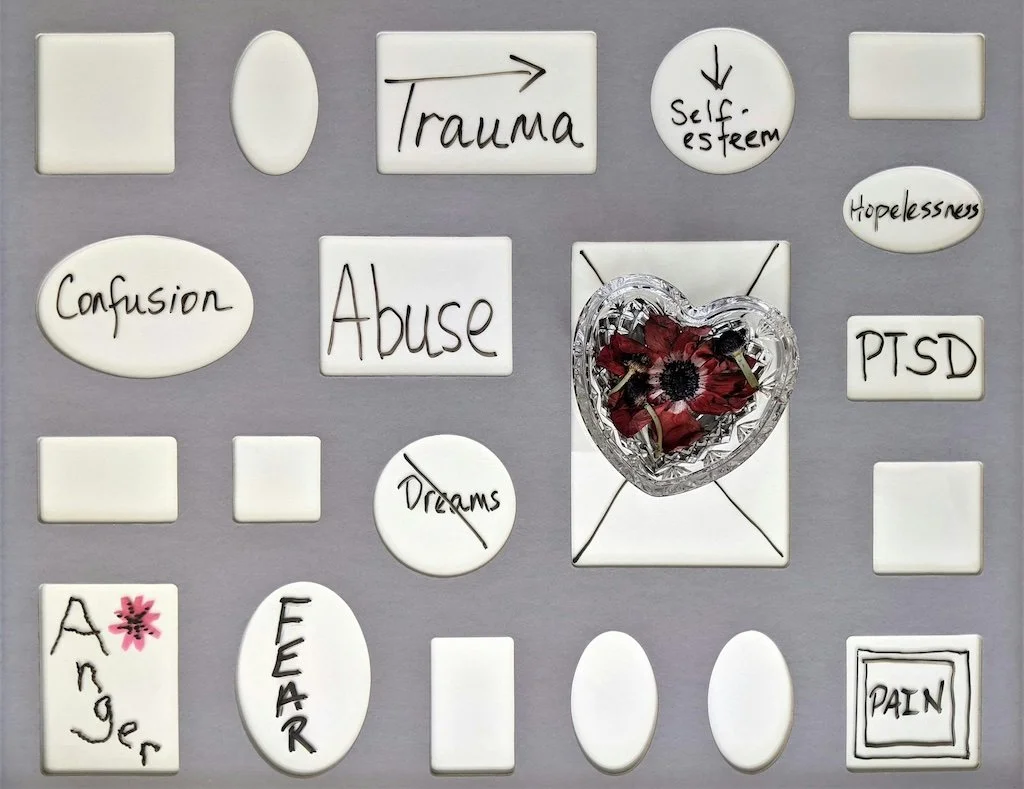
Relational Trauma: how it impacts us and our relationships
The experience of Relational Trauma can give rise to any number of adaptive behaviours. Because of our genius when we are young (don’t worry, I still think you’re brilliant) it is natural for us to create adaptations when we experience something that feels overwhelming for us.

Unhealthy Self-Esteem: Is It Ruining Your Relationship?
Self-esteem, the way we perceive ourselves and our worth, is a complex and ever-evolving aspect of our lives. It plays a significant role in shaping our thoughts, behaviours, and interactions with the world around us. Self-esteem can be both healthy and unhealthy. Here we focus on the unhealthy patterns of self-esteem and the impact on the relationship we have with ourselves and those closest to us. Contact Biannka, Cairns Counselling and Psychotherapy.

What is Gestalt Psychotherapy?
Gestalt Psychotherapy is a holistic, humanistic therapy that believes that people are born with the resources and abilities to lead a rewarding and creative life and to have meaningful and fulfilling relationships with others. Gestalt psychotherapy has been applied to a wide range of therapeutic settings, including individual therapy, couples therapy, group therapy, organizational development, community development and family therapy. Gestalt Psychotherapy is dynamic, powerful and life changing. Book your appointment with Biannka, psychotherapist and councillor in Cairns, Kuranda, Queensland, Australia.

Self-Worth and Self-Esteem: The Key to Cultivating Confidence and Healthy Relationships
The importance of self-worth and self-esteem in our lives extends far beyond individual well-being. These two pillars influence the quality of our relationships, guiding us towards forming meaningful connections with others. When we embrace our inherent worthiness, we set healthier boundaries, fostering connections built on authenticity and mutual respect. Our self-esteem empowers us to recognize and celebrate our strengths and of those around us, cultivating a sense of unity and support in our shared human experience.

“This is how I’m crazy…tell me how you’re crazy?”A Roadmap to Make New Love Work
In the world of modern relationships, the journey of finding a suitable partner can often be daunting and overwhelming. Many of us enter relationships with the desire to present our best selves, fearing that revealing our vulnerabilities and imperfections might scare potential partners away. Leading with, “I have a tendency to be really lazy and I hate washing up” has probably never been top of mind when meeting someone new… However, philosopher Alain de Botton urges us to take a different approach. He encourages us to embrace our true selves, including the crazy parts, and share these aspects with our potential partners.

8 Ways Therapy Will Ruin Your Life (as you know it…)
Individual and couples therapy can have a profound affect on how you live your life leading to greater self-awareness, understanding and a kinder relationship with yourself and others.